US$2000
US$2300
Exploring Khumbu

Is traveling to Nepal on your bucket list ?
If yes, Welcome to Nepal !
This beautiful country won’t disappoint you. It has multiple destinations, culture, language, traditions to offer. But for many travelers, trekking is the highlight of a visit to Nepal.
From beginner-friendly routes like Ghorepani Poon Hill to legendary journeys such as the Annapurna Circuit and Everest Base Camp Trek, Nepal offers trails for every level of experience.Beyond trekking, you can explore ancient UNESCO World Heritage Sites, visit sacred temples and monasteries as it is very peaceful.
Enjoy wildlife safaris in Chitwan National Park, experience thrilling activities like paragliding and white-water rafting, or simply immerse yourself in the warm hospitality and diverse traditions of the Nepalese people. Everything seems worth it once you are here.
About Nepal
Nepal is a small, landlocked country located between India and China. This beautiful country has lots of things to offer.
More likely , it exceeds eight of the world's fourteen peaks above 8,000 meters including Mount Everest which is also the highest mountain on Earth. Not just the mountains, the culture, traditions, the languages you find here are worth witnessing once you are here.
If you are a trekker willing to come to Nepal, there are certain things you need to know before you actually make a move. But once you are here, the experiences are worth it. Likewise, you will get to see the people binding together with unity.
Hinduism and Buddhism have been side by side for centuries. These religions have lots of rich cultural heritages to offer. What makes Nepal truly remarkable is its incredible diversity.
As you travel from the Himalayan north to the southern Terai plains the landscape transforms from snow-covered peaks and alpine trails to lush forests and subtropical jungles sometimes within a single day's journey.
These are the reasons trekkers visit this country time and again, as every region offers a different experience and every trail tells a different story.
Nepal's trekking routes are famous around the globe. There are a huge number of trekking destinations . Every place offers you something unique, something beautiful. But it is definitely not an easy way. You need planning.
Traveling to Nepal offers something for every fitness level and travel style. At one end are gentle, tea-house-supported walks through the Annapurna foothills or the Langtang Valley every way possible for first-timers who want mountain views without extreme exhaustion.
At the other end there are multi-week expeditions into remote, restricted regions like Upper Mustang or Dolpo, where trails pass through Tibetan-influenced villages largely untouched by modern tourism. In between sits the classic bucket-list trekking: Everest Base Camp, the Annapurna Circuit, and Annapurna Base Camp. They offer you a different rhythm of ascent, scenery, and cultural exposure.
You will also find shorter treks of three to seven days if you are a traveler with limited time, while longer routes take over two weeks allowing you for gradual acclimatization and a deeper immersion into rural Himalayan life.
Whatever the choice you choose, most routes are supported by a well-established network of teahouses and lodges, meaning first-timers rarely need to camp or carry heavy supplies.
The main reason why travelers and trekkers visit this wonderful country is the high-altitude region that it offers. There are many big and small mountains that offer you wonderful experiences. To be fair, life has been monotonous as everyone has forgotten to take breaks and forgotten what peace looks like. Therefore, the journey to find peace is mandatory.
Nepal has many high-altitude regions listed below :
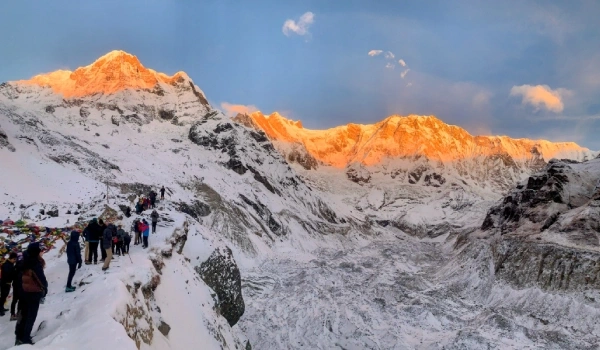
Everest Region high-altitude treks offer the legendary journey in the Everest (Khumbu) region taking you to 5,364m at Base Camp and often Kala Patthar at 5,545m.
You can also go advanced routes like theEverest Three Passes Trek.
These treks provide breathtaking views of Mount Everest and surrounding peaks with careful pacing through Sherpa villages and high-altitude terrain.
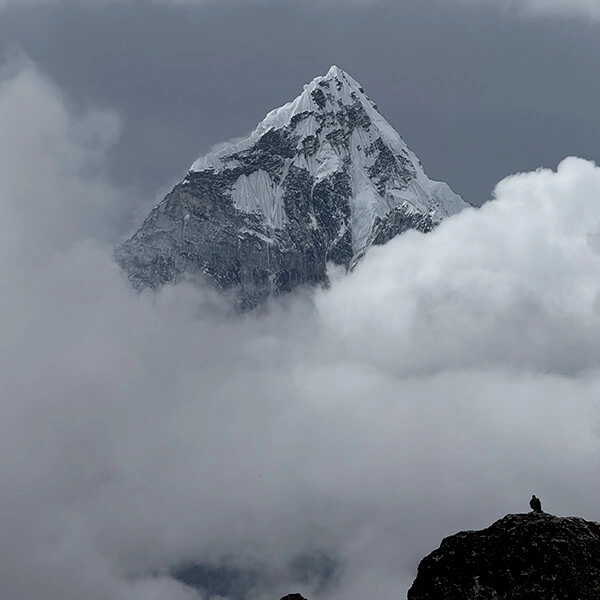
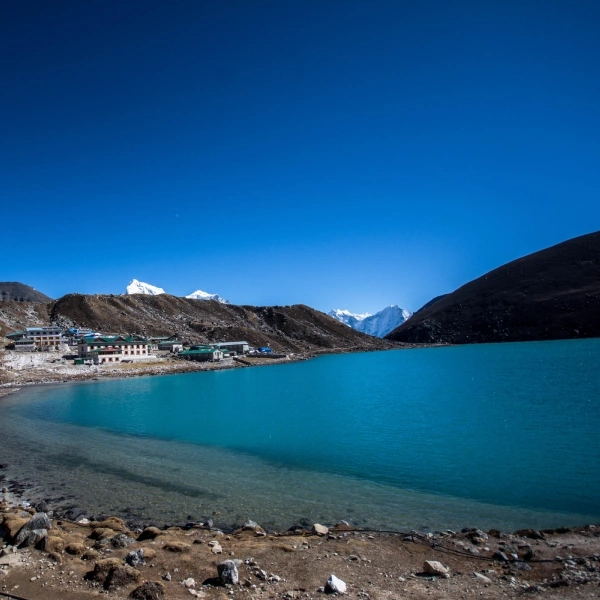
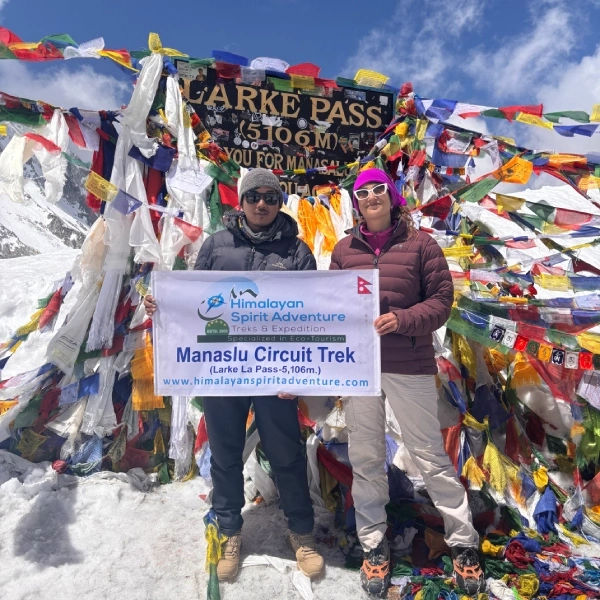
Manaslu Circuit takes you to the max altitude of 5,106m at Larkya La Pass.
We have several options including the standard 14-day trek, via Barpak, with Serang Gumba (16 days), and extended combinations such as Manaslu with Tsum Valley or Manaslu with Annapurna Circuit.
These strenuous routes take you to the remote Tibetan-influenced communities and dramatic high passes.
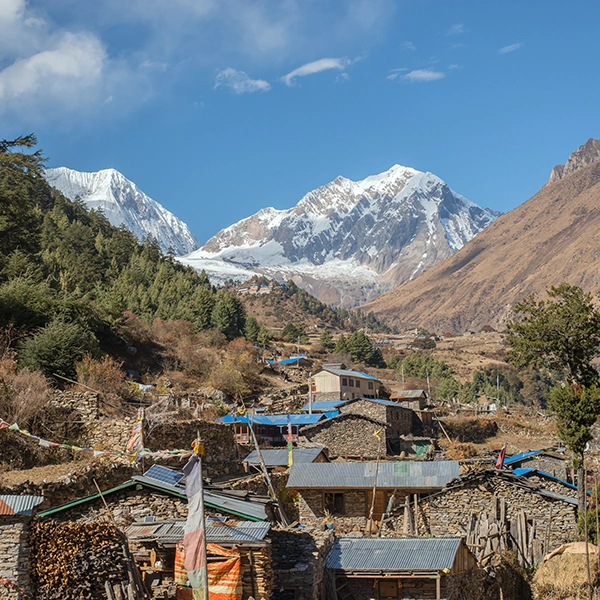
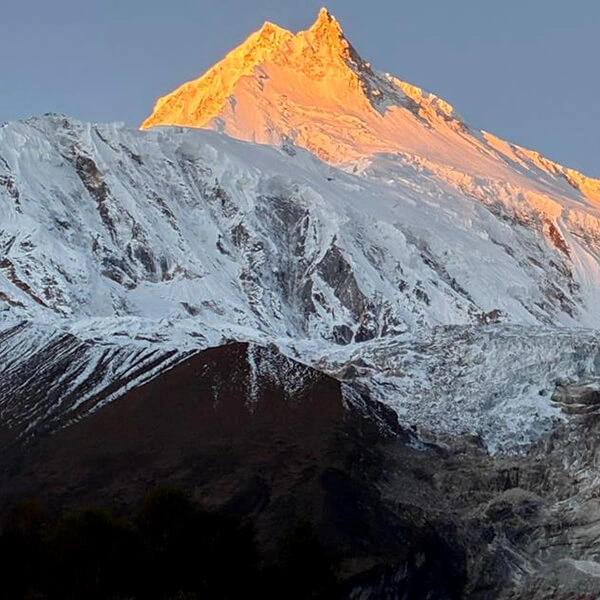
In the Annapurna area, you reach significant elevations, especially the Annapurna Circuit crossing Thorong La Pass (over 5,400m).
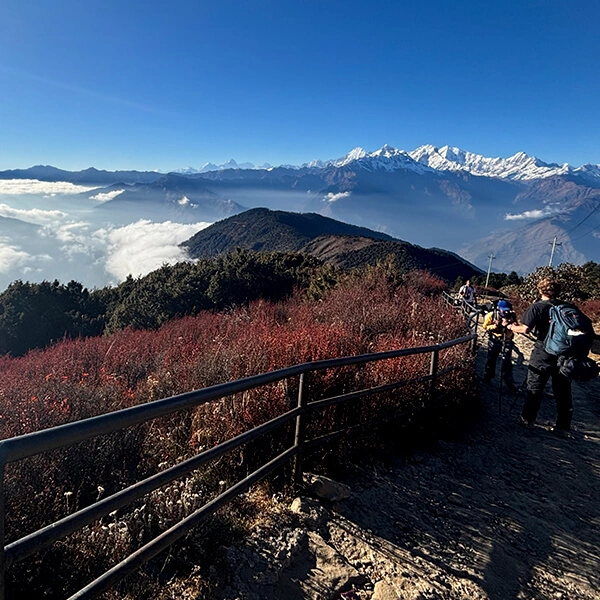
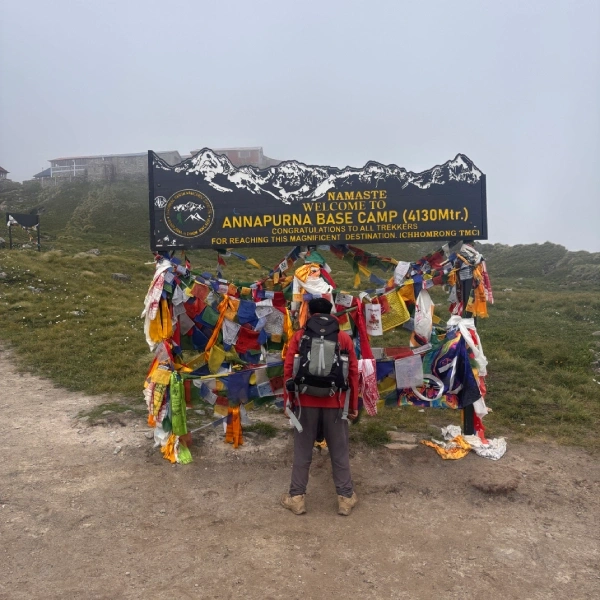
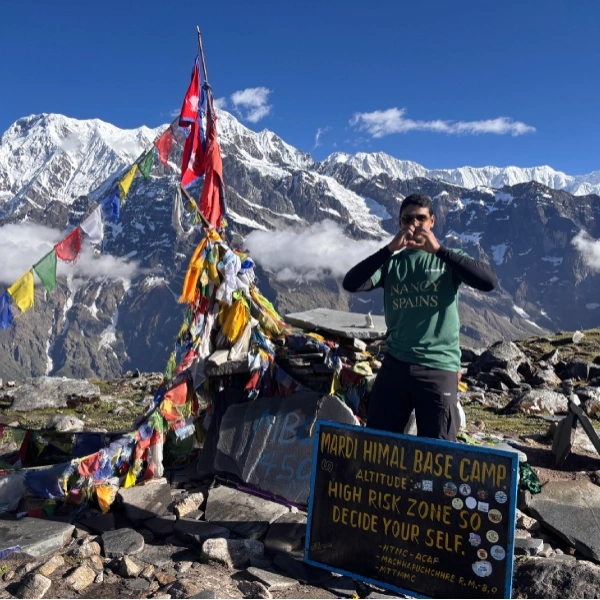
They also cover Annapurna Base Camp and related high routes with Poon Hill viewpoints. These journeys combine panoramic mountains, diverse landscapes, and solid infrastructure for acclimatization.
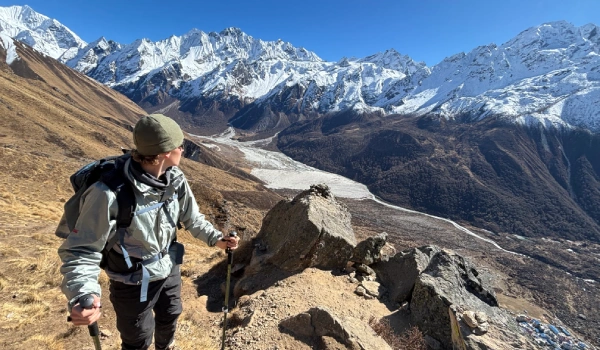
For a more accessible yet rewarding high-altitude experience, you can choose Langtang Valley Trek.
It reaches elevations above 5,000m with options for extensions toward holy lakes or high passes.
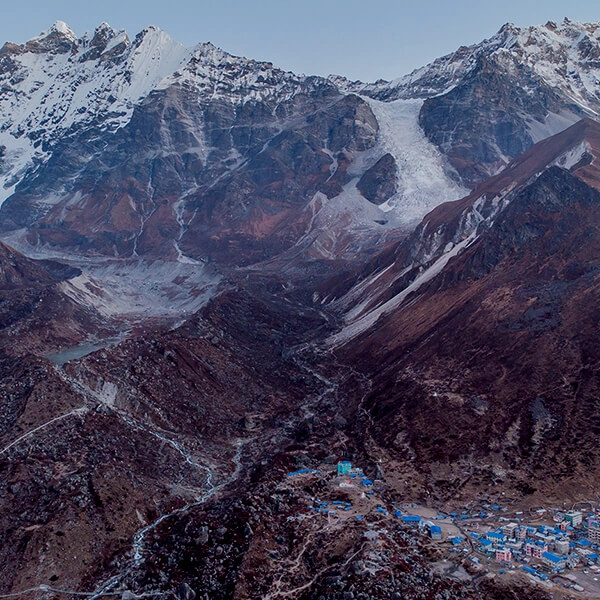
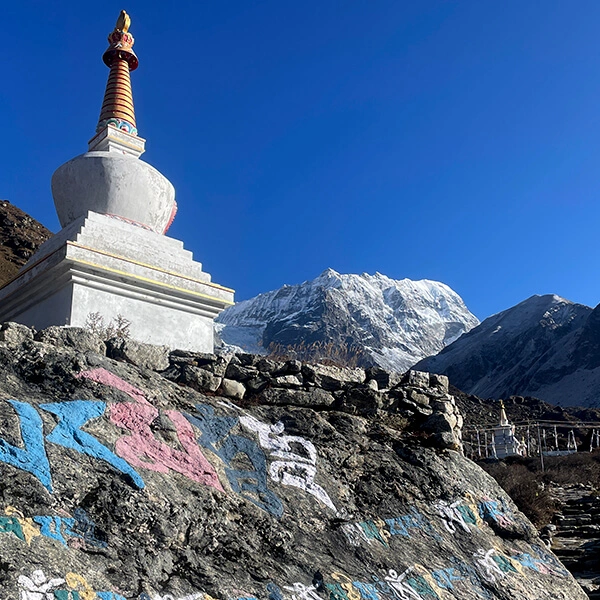
This region has stunning glacial views, Tamang culture, and rhododendron forests which is an excellent choice for building altitude experience for first-time trekkers.
Makalu Base Camp area is one of Nepal’s remote high-altitude destinations. These treks show you the pristine wilderness with the towering views of Makalu .
This is also the world’s fifth-highest peak and demanding routes suited for experienced trekkers seeking solitude and adventures.
We know that you are excited to travel and explore the corners of Nepal. But everything has a price to pay. No, we are not talking about your budget, we are talking about the risks that you go from low-level scenario to high-level trekking destinations :
High-altitude treks come with a risk. When you travel from low level to high-up mountains , it becomes difficult for your body to adapt to the temperature.
Especially the risk of altitude sickness.
Altitude sickness occurs when the body doesn’t get enough oxygen due to lower air pressure at high elevations. It is usually above 2,500-3,000m. This is mostly common on Nepal’s high-altitude treks and can range from mild to life-threatening if ignored.
The common symptoms of altitude sickness are:
Headache, nausea, fatigue, dizziness, loss of appetite, shortness of breath, and trouble sleeping. Symptoms often are seen within 6-24 hours of ascending.
Altitude sickness has some of the serious forms like :
HACE (High-Altitude Cerebral Edema):
It comes with severe headaches, confusion, loss of coordination, and hallucinations.
HAPE (High-Altitude Pulmonary Edema):
HAPE comes with severe shortness of breath, chest tightness, coughing (sometimes with frothy sputum).
Both are medical emergencies.
The risk of high-altitude treks are preventable. We have listed some of the preventable measures:
Choose Reputable Guidance
Trek with an experienced agency . We are more than happy to help you for this journey.
Our well specialized licensed guides know each and every corner of Nepal. They also help monitor your health and manage pacing. This is a benefit for you.
Build Fitness & Acclimatize Properly
It's better if you train with cardio and hikes beforehand. Follow built-in rest days and never rush the ascent.
Stay Hydrated & Eat Well
Hydration is the key. Drink 3-4 liters of water daily. Eat carbohydrate-rich meals and more importantly avoid alcohol/caffeine at high elevations.
Recognize & Respond to Symptoms
Don’t wait for the right moment if the situation gets worse.
Descend immediately if symptoms worsen.
Pack Smart
Do not overpack or underpack your stuff. Bring layers for temperature swings, a good sleeping bag, headlamp, sunscreen, and any personal medications.
Travel Insurance
Get comprehensive coverage that includes high-altitude trekking and helicopter evacuation.
High-altitude trekking in Nepal is physically demanding . It is due to the long days, steep trails, and thin air. You need to be physically fit for trekking in Nepal .Short hikes, exercise helps at must.
Good preparation significantly improves comfort, safety, and enjoyment especially for first-timers.
If this is your first time traveling to Nepal, you need to know when is the suitable time. We have given below some of the best seasons. Check out below :
Spring (March–May):
Spring is one of the best seasons of the year. It has stable weather and is good enough to go anywhere .
If you are trekking then definitely it's a lovely time for blooming rhododendrons. Rhododendron is also the national flower of Nepal. Everywhere you will see the clear mountain views, and comfortable temperatures. Ideal for most high-altitude treks.
Autumn (September–November):
Autumn is another month to visit Nepal. You will find the visibility very clear. The air you breathe is crisp and clean with stunning Himalayas everywhere.
Winter
Most of the trekkers have the misconception that winter blocks all the visibility. But , this is not true. Winter offers the best scenery of the mountains. It is all because of the changing atmosphere globally. The favourable months are December, January and February. It is definitely cold, definitely worth the trip.
There is some practical advice for first -time travelers and trekkers . Infact it is for everyone. Budget is another factor that you should manage. Below we have given some tips for first-time visitors in Nepal:
Always carry sufficient cash, as electronic payments are limited on trekking routes. Change money or withdraw in Kathmandu or Pokhara before heading towards the mountains.
ATMs are widely available in major cities like Kathmandu and Pokhara, but rare or unreliable on trails and at higher altitudes. You have to withdraw enough for the entire trek duration so that there won’t be any problem.
Tipping is a customary and appreciated gesture in Nepal’s trekking industry. It recognizes the hard work of your support team.
For guides you must tip10–15% of the total package cost
For Porters & Support Staff you can pay slightly lower amounts, distributed fairly.
Himalayan Spirit Adventure can provide specific, fair recommendations based on your trek.
We have seen most first-time trekkers make simple mistakes when they travel. Avoid these frequent mistakes to make sure about your safety and more enjoyable high-altitude trekking experience in Nepal:
Rushing the Ascent
Trying to climb too fast leads to altitude sickness and exhaustion. Always follow a pace that supports your body and stick to the itinerary’s acclimatization days.
Underestimating the Cold
Mountain temperatures can drop dramatically, especially at night. Many trekkers bring insufficient warm layers and a proper sleeping bag. Don’t make this mistake.
Overpacking
Carrying unnecessary items makes the trek harder. Stick to the important essentials. Your back will thank you .
Skipping Acclimatization Days
Rushing through rest days increases health risks. These days are built into the schedule for a reason . Don’t skip them and use them wisely.
Ignoring Altitude Symptoms
Pushing through headaches, nausea, or fatigue can turn mild issues into emergencies. Descend immediately if symptoms worsen. Or simply, consult your guide.
Pro Tip: Plan your journey very carefully. Listen to your body, and fully trust your experienced guides.
They know the trails and will help you avoid these common mistakes for a successful trek.
Domestic Flights
Road Travel
Airport Transfers
Himalayan Spirit Adventure Support
As you are first time traveling to Nepal, you need to know that guests here in Nepal are treated as the incarnation as “GOD”. They are treated with great responsibility. So, there are basic manners that you also need to follow while you are here like:
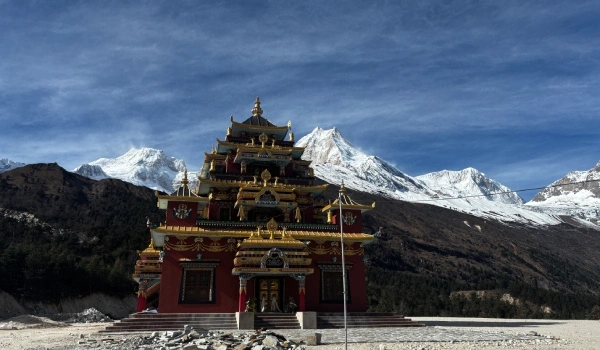
Always remove your shoes before entering temples or monasteries. Walk clockwise around stupas and religious monuments.
Wear clothing that covers shoulders and knees, especially in villages and religious places. Avoid revealing outfits even on the trail.
Use your right hand for eating, giving or receiving items, and greetings. The left hand is traditionally considered unclean.
Always ask for permission before taking photos of local people, especially in villages or during rituals. A smile and “Namaste” go a long way.
Say “Namaste” with palms pressed together. It’s the universal and respectful greeting used throughout Nepal.
Make your stay in teahouses, eat local food, buy handmade souvenirs, and use local services.
This directly supports the mountain communities that make trekking possible.
The first and foremost thing you need to be clean before any of the above scenarios is there's paperwork to sort out. Most nationalities can obtain a Nepal tourist visa on arrival at Tribhuvan International Airport in Kathmandu or at major land border crossings. There are fees set at USD 30 for 15 days, USD 50 for 30 days, and USD 125 for 90 days.
Likewise, Indian citizens don't need a visa at all under a longstanding bilateral treaty, whereas nationals of a handful of countries must arrange a visa in advance through a Nepalese embassy. To keep the arrival process smooth you must carry a passport valid for at least six months with a couple of blank pages, a passport-sized photo, and clean, unworn USD cash.
This is necessary since immigration counters often decline soiled notes or other currencies. Completing Nepal's online arrival registration a few days ahead of travel can also save meaningful time off the airport queue.
This is a plus point especially during the busy spring and autumn trekking seasons.
Nepal's official currency is the Nepalese Rupee (NPR), and while a few upscale hotels and agencies quote prices in US dollars.
The everyday trekking expenses like teahouse meals, snacks, hot showers, tips, and souvenirs are almost always settled in rupees.
For your ease, ATMs are reliable in Kathmandu and Pokhara but become scarce once you're a few days away into most trekking routes so it's good to withdraw or exchange enough cash before moving out.
Small denomination notes are especially useful in remote villages, where change for large bills can be hard to come by.
Major currencies like USD, EUR, and GBP are easy to exchange in the cities. It is always worth keeping a small cash reserve strictly for visa fees and permit costs, since immigration and permit offices typically require exact payment in USD.
One of the pleasant surprises for first-time trekkers is how comfortable Nepal's teahouse system can be, even if you are far from the cities.
Along popular routes like Annapurna and Everest, simple lodges offer twin-share rooms with basic beds and blankets.
However you will find insulation minimal at higher altitudes. This is all because of altitude.
An extra sleeping bag easily solves that. Hot showers are widely available at lower elevations, often solar-heated or gas-heated for a small extra fee. But they are less consistent and pricier the higher you climb.
Meals are hearty and carb-focused . You will find dal bhat, the Nepali staple of lentils, rice, and vegetables.
It is a trekker favorite precisely because most teahouses offer free refills, making it an easy way to fuel a long day of walking. Menus also typically include noodles, soups, and simple Western dishes like pancakes or porridge. You will not be disappointed.
Washrooms range from Western-style toilets in busier lower villages to squat toilets when you move in more remote regions. The overall accommodation services are comfy and reliable for not just first time travelers but for everyone coming here.
A well-rounded Nepal trip doesn’t have to begin and end on the trail. Himalayan Spirit Adventure organizes trekking itineraries and permits along with a wide range of complementary experiences.
This lets travelers enjoy Nepal’s mountains, culture, wildlife, and adventure in one seamless package.
Let’s see what are the packages :
Guided Cultural City Tours in Kathmandu
Once you are here you can explore UNESCO World Heritage sites such as Pashupatinath, Swayambhunath (Monkey Temple), Boudhanath, and the historic Durbar Squares (Kathmandu, Patan, and Bhaktapur). These tours provide a rich cultural and spiritual experience for you .
Jungle Safaris in National Parks
You will love to discover Nepal’s lowland wildlife with safaris in Chitwan or Bardia National Park. Spot one-horned rhinos, Bengal tigers, elephants, crocodiles, and abundant birdlife via jeep, elephant-back, or dugout canoe.
Paragliding in Pokhara
High above Phewa Lake with the Annapurna range as a cinematic backdrop ,this thrilling add-on gives trekkers an unforgettable aerial perspective and adrenaline boost before or after their mountain journey.
White-Water Rafting Adventures
You will love to experience exciting river rafting on rivers like the Trishuli, Bhote Koshi, or Seti.
These trips combine thrilling rapids with scenic Himalayan foothills perfect for adventure seekers.
Mountain Flights & Helicopter Tours
Enjoy scenic flights over the Himalayas or helicopter excursions for close-up views of Everest and other peaks . It is ideal for those short on time or seeking luxury mountain perspectives.
Pilgrimage & Spiritual Tours
You can visit sacred sites like Lumbini (birthplace of Buddha), monasteries, and temples. We also arrange yoga, meditation sessions, or Buddhist circuit tours for a peaceful, reflective experience.
Bungee Jumping
If you're looking to push your limits, bungee jumping in Nepal is an experience you won't forget. We will take you to one of the world's highest suspension bridges or purpose-built towers . You will feel the rush of freefall before the cord pulls you back.
Surrounded by deep river gorges and spectacular mountain scenery, it's the perfect adventure for thrill-seekers who want to add an extra dose of adrenaline to their Nepal trip.
Helicopter Tours
A helicopter tour offers a once-in-a-lifetime opportunity to witness Nepal's majestic Himalayas from above. You will fly over snow-covered peaks, glaciers, alpine lakes, and remote mountain villages . Enjoy the breathtaking panoramic views. Whether it's an Everest Base Camp helicopter tour or a scenic flight over the Annapurna region, this experience is perfect for travelers with limited time or those seeking a luxurious Himalayan adventure.
White-Water Rafting
Nepal is one of the world's best destinations for white-water rafting. Here, the rivers flow directly from the Himalayas. Navigating exciting rapids on famous rivers like the Trishuli, Bhote Koshi, or Seti while passing lush forests, traditional villages, and dramatic gorges is exciting. This is suitable for both beginners and experienced rafters as it combines thrilling action with Nepal's stunning natural beauty.
Zip Flyer
Take your adventure to new heights with the Zip Flyer in Pokhara which is one of the steepest and longest zip lines in the world. The air at incredible speeds while enjoying spectacular views of the Annapurna mountain range, lush hills, and the beautiful Pokhara Valley is beautiful. It's a thrilling experience that perfectly blends speed, excitement, and unforgettable scenery.
Mountain Biking & Cycling
Cycling is a fantastic way to explore Nepal's diverse landscapes, from the bustling streets of Kathmandu to peaceful countryside villages and rugged mountain trails. You will love to ride through terraced farmlands, scenic forests, and traditional settlements while experiencing local culture up close. Whether you prefer a relaxed countryside ride or an adventurous mountain biking expedition, Nepal offers cycling routes suitable for riders of all skill levels.
Peak Climbing & Adventure Extensions
For experienced trekkers, add technical climbs on peaks like Island Peak or Mera Peak, or explore more remote routes . But proper acclimatization and expert guidance is very important.
Note:The services that we offer are budget-friendly and exciting.
We help you seeNepal as a wholeblending world-class trekking with culture, wildlife, adrenaline, and relaxation rather than through a single lens.
We have been arranging the above activities for years. Contact us for your bookings.Packages are often customizable for private or small-group trips.
No high-altitude trek in Nepal happens without the right paperwork. Getting permits sorted early through a registered agency like Himalayan Spirit Adventure avoids delays and ensures a smooth start to your adventure.
You require several permits as they are mandatory for high altitude trekking. Let’s see them below :
TIMS Card (Trekkers' Information Management System)
This permit is required for most regions outside Everest. It is only issued through registered trekking agencies like us no longer available independently.
National Park / Conservation Area Permits
This is essential for most high-altitude routes. Examples include the Annapurna Conservation Area Permit (ACAP) for Annapurna region treks and the Sagarmatha National Park Permit for Everest area.
Everest Region Specific Requirements
You do not require a TIMS card , but trekkers must obtain the Sagarmatha National Park permit plus the Khumbu Pasang Lhamu Rural Municipality entry fee for this region.
Restricted Area Permits
Special permits apply to areas like Manaslu, Upper Mustang, and Dolpo. These regions often require mandatory licensed guides, minimum group sizes, and additional fees.
Note : Permits are arranged in Kathmandu or Pokhara before departure and not available at trailheads . Bring photocopies of your passport and a few passport-sized photos to speed up processing.
While Nepal's visa can be obtained on arrival, travel insurance cannot .It needs to be arranged before you leave home.
Make sure your policy covers high-altitude trekking and emergency helicopter evacuation, since standard travel insurance often excludes activities above a certain elevation. This single detail has saved many trekkers from great financial and medical stress when things don't go to plan. Nepal rewards first-timers generously for relatively modest cost and manageable logistics.
It delivers scenery, culture, and a sense of achievement that few other trips can match. With your documents, permits, and budget in order, the only thing left to plan is which trail to start with.
Nepal has more than 1.1 million international tourists every year . They are from all over the world. Every individual who comes here has their own preference.
They experience Nepal's rich heritage, explore ancient temples, enjoy wildlife safaris, and take part in thrilling outdoor adventures and return back with hearts full of memories.
With its breathtaking landscapes and warm hospitality, Nepal continues to be a dream destination for first-time travelers .
If you are the one willing to travel to Nepal join our adventures. We have plenty of packages that will give you the wildest experience of your life.
Take your bookings from Himalayanspiritadventure.com