
Highlights
- The ultimate adventure in the Khumbu region for trekkers looking for a daring trek
- Popular among veteran trekkers
- Enjoy a perfect balance of bustling and tranquil trails in the Everest region
- Follow the rhododendron-covered hills and cross many suspension bridges
- Cross the three passes- Kongmal La, Cho La, and Renjo La
- Explore beautiful villages, stunning valleys, and glaciers
- See the lifestyle of mountain people in Nepal, including the Sherpa communities
- Explore famous villages like Lukla, Namche Bazaar, and Tengboche, along with untouched settlements such as Gokyo village, Lungden, and Thame
- Enjoy stunning mountain vistas and breathtaking landscapes
- Go on side hikes to Hotel Everest View, Nangkartshang Peak, Chhukung Ri, and Gokyo Ri
- Explore the beautiful Gokyo Lakes
- Hike to Everest Base Camp and Kala Patthar
Everest Three Passes Trek-20 Days Overview
Have you ever wondered what could be the height of adventure in the Khumbu region? Is it trekking to Everest Base Camp or climbing Mt. Everest? Both are adventurous programs, but one is beginner-friendly, and the other is impossible for the majority of humans. So, what could be the ultimate adventure in the Khumbu region that goes beyond the mainstream EBC trail but is not as demanding as the Everest expedition? And the answer is the Everest Three Passes trek.
One of Nepal's most monumental hiking trails is the Everest Three Passes trek. It is popular yet well kept from the crowd of trekkers. Not many trekkers dare to do the 3 passes trek due to its extreme challenges.
The Everest Three Passes trek route follows the famous EBC trail and goes off of it to secluded Gokyo Valley and Thame Valley. In short, you will enjoy a perfect balance of bustling and tranquil trails.
Kongmal La, Cho La, and Renjo La are the three passes that you will cross on this 20-day trek. All these three passes are above 5,000 meters, and crossing them requires around 8 to 9 hours of walking each day.
The trail has many steep ascents and descents, and also navigates glaciers. Therefore, the Everest Three Passes trek requires a high level of fitness. The trekkers are also required to have a previous trek experience.
These three passes connect Chhukung Valley, EBC, Gokyo Valley, and Thame Valley. You will explore popular villages such as Lukla, Namche Bazaar, Tengboche, and Dingboche, along with untouched settlements like Dzongla, Thagnak, Gokyo village, Lungden, and Thame.
Sherpas and other mountain communities live in these villages. You will stay in lodges along the trail. It is run by locals. Although the cultural encounters are less during the 3 passes trek, you still get to see the daily lifestyle and practices of the locals.
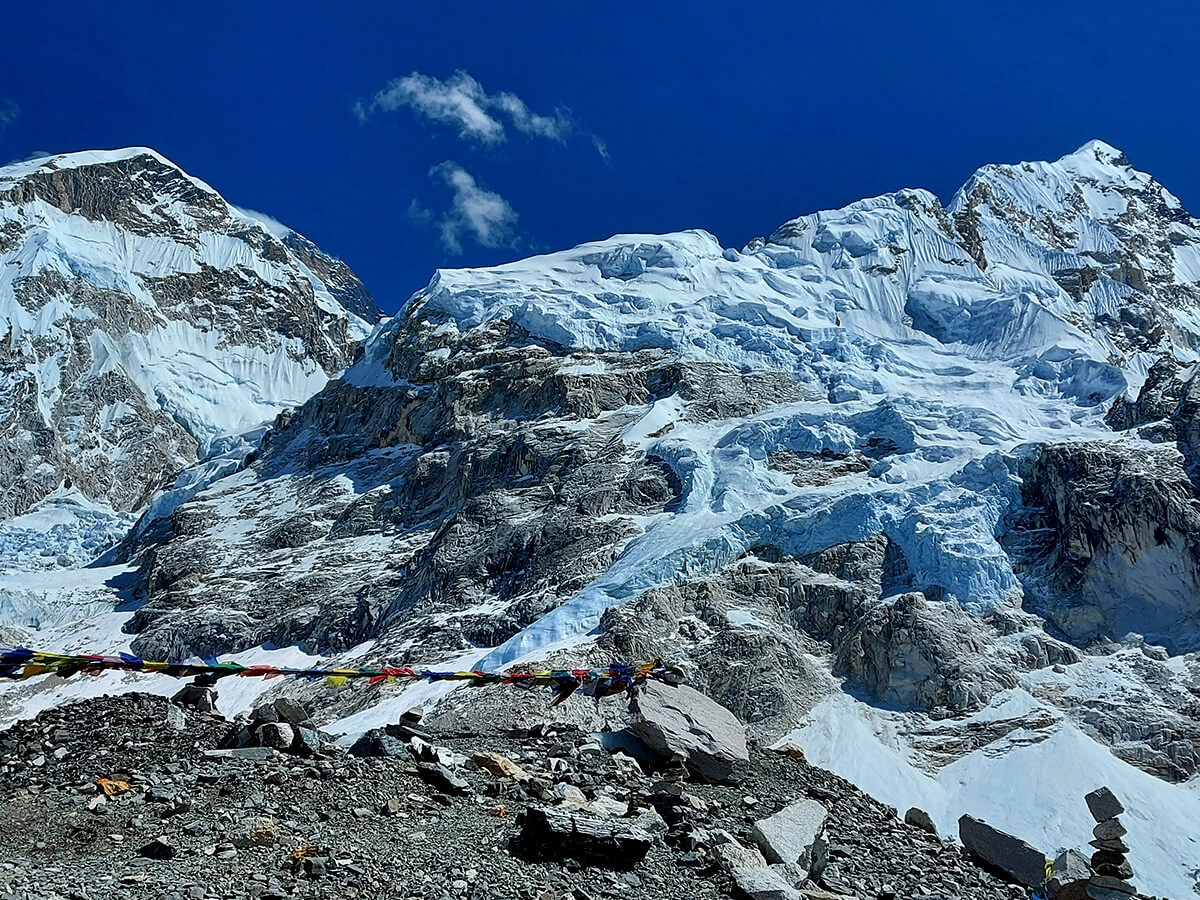
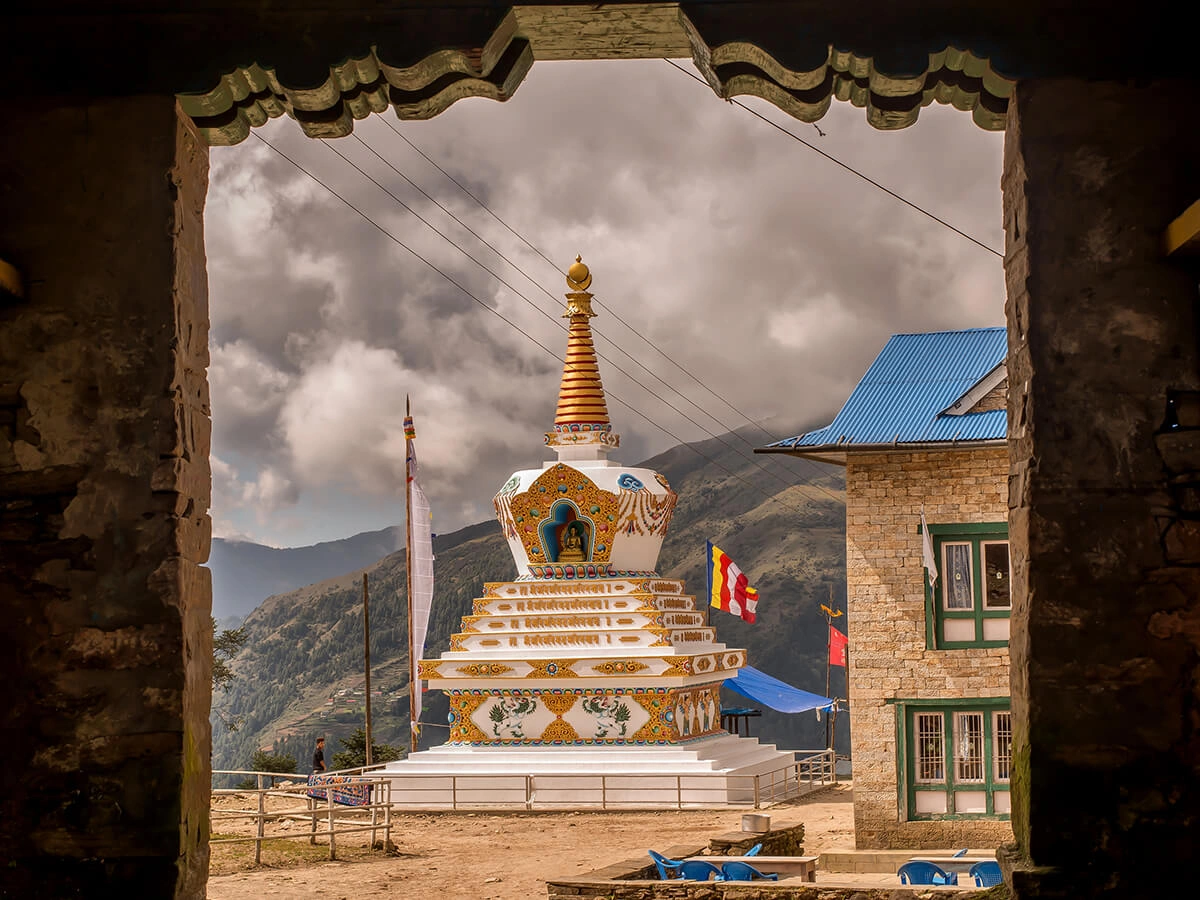
Another thing that makes the Everest Three Passes trek special is the visits to monasteries along the way. Take it as a chance to learn more about the cultural heritage of the locals and get blessings. Many parts of the trail are fastened with prayer flags, which are believed to send good blessings to the travelers.
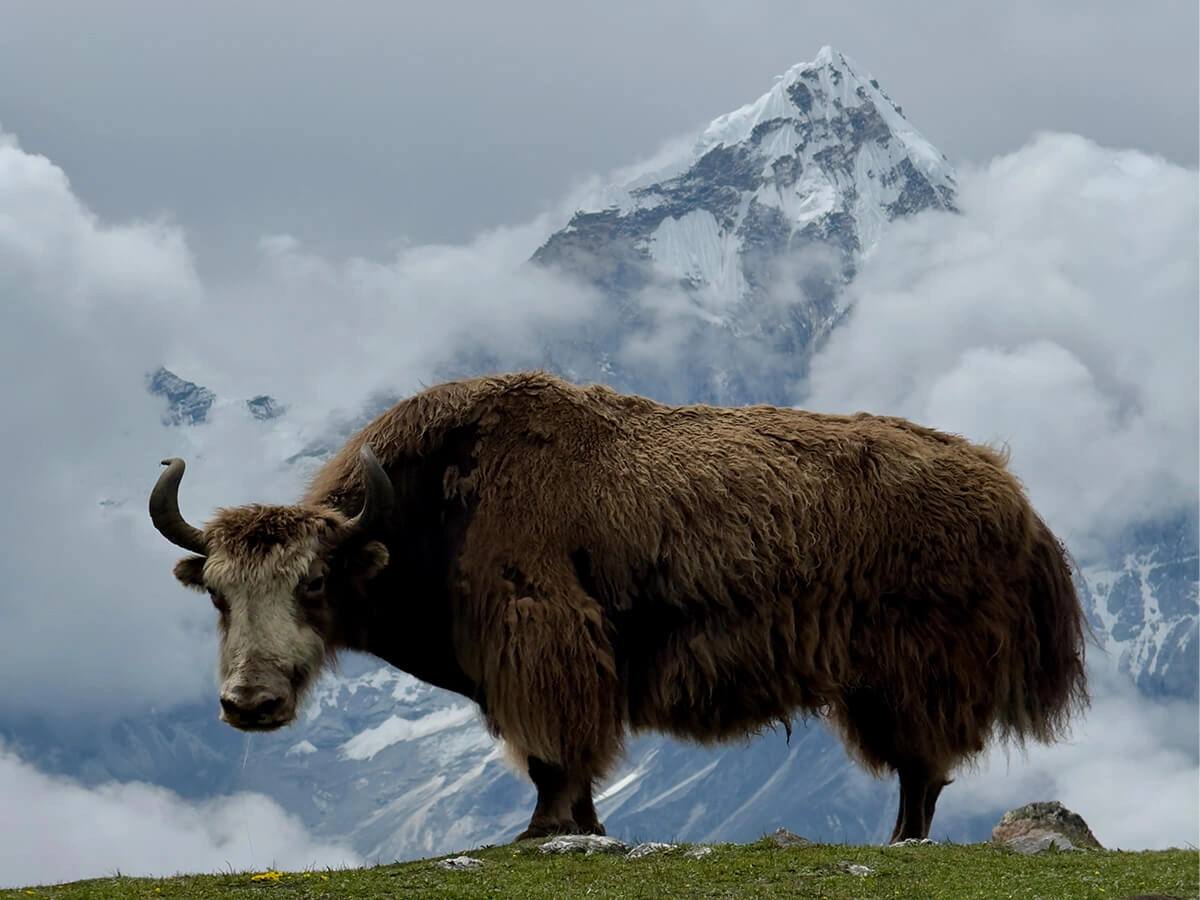
We also love mountain vistas and landscapes during the Everest Three High Passes trek. You will see mountains from the first day of the trip. As you hop from one village to another, you will see several mountains.
From the world's highest peaks like Everest (1st), Lhotse (4th), Makalu (5th), and Cho Oyu (6th) to other major peaks like Ama Dablam, Thamserku, Nuptse, Pumori, Island Peak, Lobuche Peak, Cholatse, Baruntse, etc, you will witness many mountains while trekking. Landscapes are also great.
In fact, the elevation change also brings a change to the scenery. So, every day will be exciting. The finest views unfold from the top of the three passes, Kala Patthar and Gokyo Ri.
Everest Three Passes trek anticlockwise or clockwise
The Everest Three Passes trek is possible both ways, anticlockwise and clockwise. The anticlockwise route first crosses Kongma La Pass, and the clockwise route first crosses Renjo La Pass.
We recommend doing the Everest Three Passes trek in an anticlockwise direction because it offers better acclimatization before you cross the first pass. Following the clockwise route, you will get limited opportunities to acclimate before tackling the first pass.
- Anticlockwise (recommended): Two acclimatization days before Kongma La Pass and more time in Gokyo village.
- Clockwise: Bigger altitude jump from Lukla to Renjo La Pass in a very short time, so high risk of altitude sickness. On the bright side, the clockwise route is considered to offer comparatively better views; in fact, the best views.
Everest Three Passes trek itinerary (anticlockwise route)
*The itinerary follows our Everest Three Passes trek map attached below.
Our Everest Three Passes trek itinerary is 20 days long. It includes three acclimatization days in Namche Bazaar, Dingboche, and Gokyo village. We have designed our Everest Three Passes trek itinerary strategically to allow you to have maximum acclimatization opportunities.
The trip begins with your arrival in Kathmandu. On your arrival day, you will get to know your mountain guide, the trek plan, and buy trekking essentials. On the second day of the trip, you will fly to Lukla. It will be a thrilling flight.
You will take the Lukla flight from Ramechhap Airport in spring and autumn and from Kathmandu Airport in summer/monsoon and winter. It takes 4 to 5 hours to drive to Ramechhap Airport from Kathmandu.
In Lukla, you will meet with porters. We descend to Phakding village on the same day to acclimate. It will be around 3 hours of easy downhill walking from Lukla to Phakding.
The trail goes through rhododendron-covered hills and small villages, crossing numerous suspension bridges on the way. Continuing the trek from Phakding, you will walk along the bank of the Dudh Koshi River.
Trek through rhododendron forests and cross many suspension bridges on the way. You will also cross the famous long Tenzing Hillary Suspension Bridge. Our Everest Three Passes trek permits are registered in Monjo, and we will hike to Namche Bazaar.
You will spend two nights in Namche Bazaar and hike to Hotel Everest View for acclimatization. Then you will ascend to Tengboche village via Phungi Thenga. After Tengboche comes Dingboche, which is known as the Summer Valley of the Khumbu region.
On the way, you will pass by Deboche and Pangboche villages and cross terraced fields. You will take the second acclimatization day in Dingboche and hike to Nangkartshang Peak. You will now leave the mainstream EBC trail and trek to Chhuking Valley.
Spend a night in Chhukung village and hike to Chhukung Ri. From here, you will cross the Kongma La Pass and rejoin the EBC trail. From Kongma La Pass, you will descend to Lobuche village and further hike to Everest Base Camp via Gorak Shep.
Before leaving Gorak Shep, you will also hike to Kala Patthar. After that, descend to Dzongla and prepare to cross Cho La Pass. From Cho La Pass, you will descend to Thagnak and hike to Gokyo village, traversing the Ngozumpa Glacier moraine on the way.
You will spend two nights in Gokyo village and hike to Gokyo Ri and the 4th and 5th Gokyo Lakes. From Gokyo village, the trail ascends to Renjo La Pass and descends to Marlung.
Leaving Marlung, you will descend to Thame and trek back to Lukla, spending a night in Monjo. Retrace the trail back to Lukla from Monjo and fly back to Kathmandu. Our team will drop you off at the international airport on the last day of the trip.
The three high passes of the Khumbu region
Kongma La Pass (5,540 m/18,176 ft ):
Kongma La Pass is situated west of Lobuche and east of Chhukung. The western side of the pass is steeper than the eastern side.
While trekking from Chhukung to Lobuche village (anticlockwise route), trekkers have to cross the Khumbu Glacier. You will be entirely above the treeline while crossing the Kongma La Pass.
The trail heads northwest from Chhukung and crosses the Khumbu Glacier. Crossing a glacier may sound daunting, but it is not that difficult to follow. There are no huge crevasses or anything.
Cho La Pass (5,420 m/17,782 ft):
Cho La is the second pass that you will cross during the Everest Three Passes trek 20 days. This pass connects two valleys that house Everest Base Camp and Gokyo Lakes.
Among the three passes, Cho La is the most technical (and we only mean it would be best to use microspikes). You will cross a glacier on the east side of the pass.
The nearest villages to the east of Cho La Pass are Dzongla, and to the west is Thangnak. The western side of the pass is steeper than the eastern side, and crossing the Cho La Glacier is a must while crossing this pass.
Renjo La Pass (5,360 m/17,585 ft):
Renjo La is the last pass you will cross following our Everest Three Passes trek itinerary. It is the westernmost pass and is considered the easiest among the three passes. Renjo La connects Gokyo Valley with Thame Valley.
Unlike Kongma La and Cho La, you do not have to cross a glacier during the Renjo La Pass crossing. Gokyo village is located east of Renjo La and Lumde village in the west. The western side of this pass is steeper than the eastern side.
The Lukla flight and alternative options
Lukla is the starting and ending point of the Everest Three Passes trek. The Lukla flight is famous for its thrilling experience, but there is more to this flight than the thrill it carries.
Flying in and out of Lukla makes the Khumbu region easily and quickly accessible from Kathmandu. But the Lukla flights may not be a cup of tea for everyone. So, below are some alternative options:
- Helicopter flight to Lukla: The helicopter flight to Lukla is much more comfortable than the domestic Lukla flight. It is available from the Kathmandu Airport throughout the year. You can upgrade to a helicopter flight by paying an additional USD 500. It is only an approximate amount. Contact us for updated information.
- Lukla without flying: Are you not interested in flying to Lukla? Then you can consider driving from Kathmandu to Salleri/Phaplu and hike for 3 to 4 days to Lukla. It is not a very comfortable choice and also extends the trek, but it is good for travelers who do not want to fly to Lukla. While returning from Lukla, you can follow the same route or fly out.
- Phaplu route: Phaplu is a small town located 2 km north of Salleri. You can reach Phaplu by taking a short flight from Kathmandu or driving. From Phaplu, you can reach Phakding village (near Lukla) in just 3 days of hiking.
How to travel from Kathmandu to Ramechhap Airport (Manthali)?
You can use a public bus, jeep, or private car to travel from Kathmandu to Ramechhap Airport. It will take around 4 to 5 hours and cost around NRP 600 per person. A private car will cost you more.
Our Everest Three Passes trek package is inclusive of private transportation between Kathmandu and Ramechhap Airport.
The Everest Three Passes trek season
March to May (spring) and late September to November (autumn) are the best times to do the Everest Three Passes trekking. These months offer stable weather windows to cross the 3 passes safely.
The clear skies in these months are great to witness the views, and warm daytime temperatures will make hiking at high altitude comfortable. You still need to dress warmly, but the climate is not super cold.
Spring and autumn are also the peak trekking period to EBC. So, on the mainstream EBC route, you will meet with many trekkers from around the world, and off the EBC route, peace will embrace you.
Spring is also the climbing season in the Himalayas. So, you will see climbing parties and helicopters flying in and out of the region frequently.
Even though the three passes are one of the remotest areas in the world, the bustle of peak trekking/climbing season is phenomenal. We have talked more about trekking in each season in our Useful Information section of the page.
Hidden places that you can consider combining into your Everest Three Passes trek itinerary
Some places are not usually included in the Everest Three Passes trek itinerary but are worth exploring. If you are interested in hiking to the hidden corners of the Everest Three Passes trek route, you can consider the following places:
- Khumjung village: Khumjung village is situated at 3,770 meters. It is located 1.5 hours north of Namche Bazaar, and usually some trekkers visit it during an acclimatization hike to Hotel Everest View. If you would prefer some peaceful time from Namche Bazaar, Khumjung village is the perfect choice.
- Ama Dablam Base Camp: Ama Dablam is one of the most famous expedition mountains in the Everest region. It is located in Pangboche village. A hike to Ama Dablam Base Camp is great if you want to get close to this stunning mountain and explore this untouched corner. Even close to the main EBC trail, trekkers rarely visit the Ama Dablam Base Camp.
- The Cho Oyu Base Camp: Mt. Cho Oyu is the 6th-tallest mountain in the world. It is located near the 5th and 6th Gokyo Lakes. Most trekkers know the Gokyo Lakes but miss the Cho Oyu Base Camp. Hiking to Cho Oyu Base Camp on your acclimatization day in Gokyo village is highly recommended. You will cover the 4th, 5th, and 6th Gokyo Lakes during this hike, too.
Everest Three Passes trek distance and duration
The Everest Three Passes trek distance is approximately 160 kilometers (99 miles). You will cover this distance in 17 days of hiking. Every day, you will trek 6 hours on average. The walking hour is longest (8 to 9 hours) on the days you will cross the mountain passes.
Why do the Everest Three Passes trek with Himalayan Spirit Adventure?
You have to trek with an experienced crew to make the most out of your Everest Three Passes trek. It is not an easy trek and demands meticulous planning. Trekking with Himalayan Spirit Adventure ensures safety, comfort, and sustainable travel.
We organize many treks all over the Himalayas in Nepal every year, including the 3 passes trek. Our team has previous expertise on this trek route, so they know what to do and how to make the journey hassle-free for you.
Likewise, you will get the best trekking guide and porter with us. We extensively train our on-field crew and make sure they follow our trek guidelines when leading the trekkers. With our team, every moment of the trek will become special for you.
Similarly, you will get an affordable Everest Three Passes trek cost with us. Our price for the 3-pass trek is unbeatable, especially considering our service and commitment.
If you have any questions about the Everest Three Passes trek, 20 days, feel free to reach out to us anytime. Early bookings are open for the Everest Three Passes trek 2026. You can join a fixed departure seat or trek privately with us.
Perks of the Everest Three Passes trek with Himalayan Spirit Adventure
- More than 25+ years of expertise in the mountains of Nepal.
- Fully customizable itinerary and services in the package.
- Complimentary welcome dinner in Kathmandu.
- Complimentary airport pick-up and drop-off in a private vehicle.
- Professional English-speaking mountain guide and native porter with their travel insurance.
- Himalayan Spirit Adventure's duffel bag to use during the trek.
- Complementary company's t-shirt and cap.
- First-aid kit with an oximeter to monitor your oxygen level during the trek.
- Online trip briefing to answer all your questions and doubts.
- Free space to store extra luggage in our office during the trek.
- Best Everest Panorama price and service - no hidden charges.
- 100% guaranteed departure.
- Trek completion certificate.
- 24/7 support and a safe payment gateway.
- Win-win cancellation and refund policy.
- We specialize in ecotourism - You Will Only Leave Your Footprint Behind With Us!