

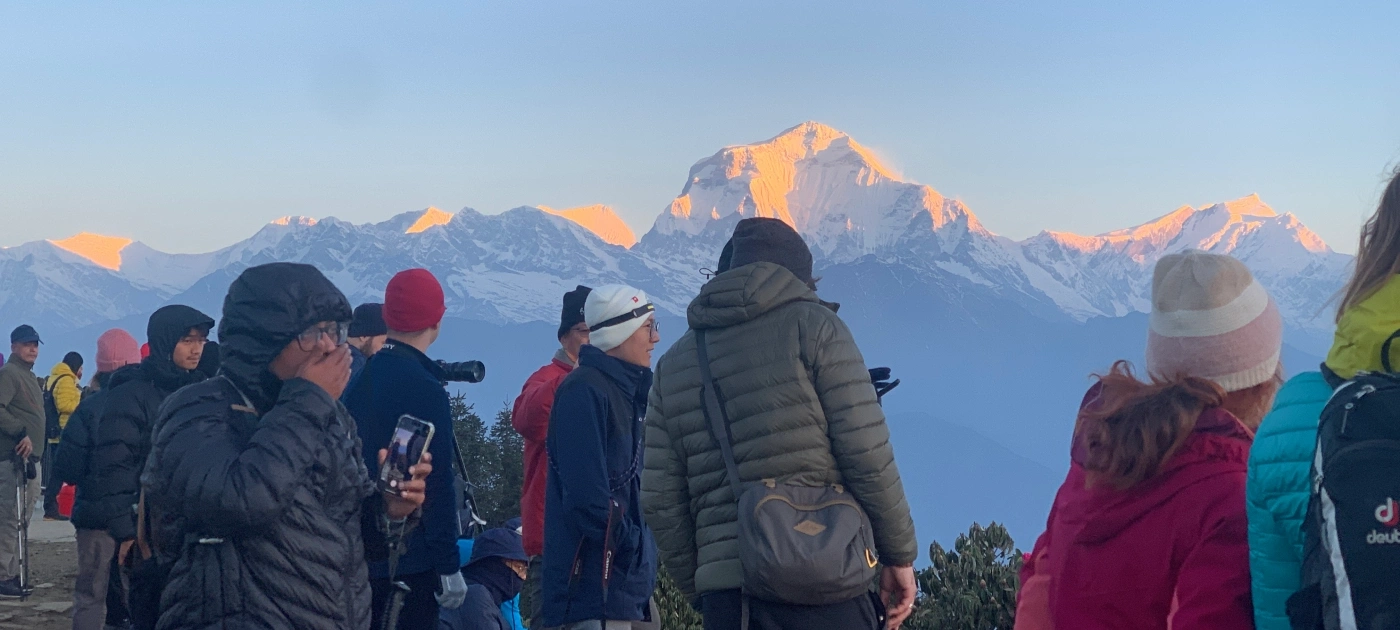
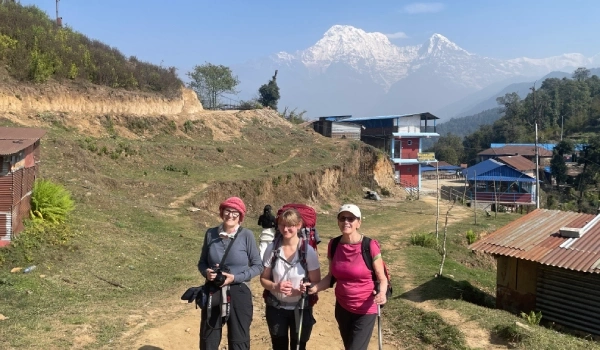
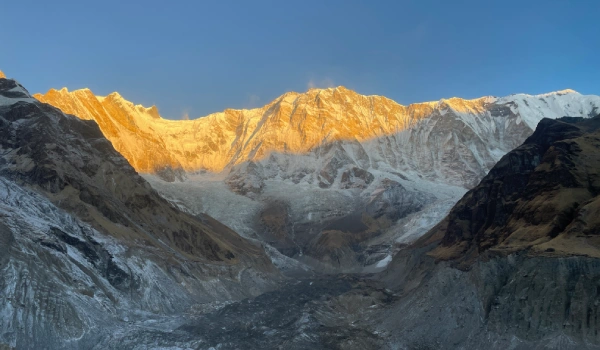
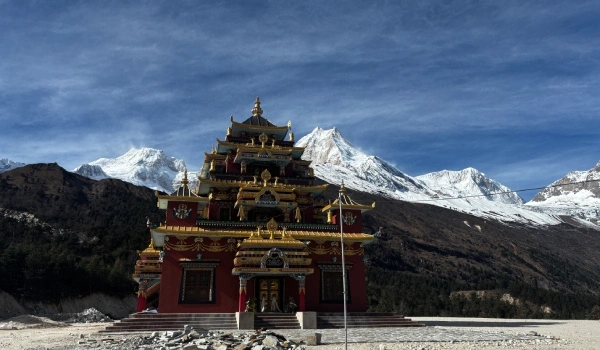
Annapurna Base Camp takes you to the most majestic sections in the Himalayas.
This is an excellent choice for someone who is first-time visitors to Nepal and for first-time Himalayan trekkers.
It takes you to an altitude of 4,130 m (13,550 ft) in the Annapurna Sanctuary and offers stunning mountain views of Annapurna I and Machhapuchhre/Fishtail and other panoramic views.
As Annapurna is a commercialized destination you will find the well-maintained teahouse trails and easy accommodation.
For your ease, it definitely might not be like your home but it definitely offers more than your expectations.
You do not require any technical climbing to reach Annapurna Base Camp. Annapurna Base Camp is a moderate trek.
If you are a first-timer, check out below what you should take care of , your requirements and difficulties. We have given a brief but you can contact us for more detailed information:
Visas and Entry
Most nationalities get a Visa on Arrival at Kathmandu’s Tribhuvan International Airport (TIA) or land borders.
The approx fees for 2026 is $30 for15 days, $50 for 30 days, or $125 for 90 days, multi-entry.
Make sure you pay in USD cash. Don’t forget to bring a passport photo and fill the online form in advance for faster processing.
Your passport must be valid for 6+ months with blank pages.
There are some exceptions that exist for some countries like certain African nations that must apply through their embassies. Likewise, SAARC citizens often get free or discounted visas.
You can extend your visa in Kathmandu or Pokhara if needed.Similarly , Indian citizens have special entry rules.
Best Time to Go
You cannot simply pack your bags and go to Annpaurana. Selecting the difficult timeframe may put you in an extra difficult situation. We have given the list of some months when you can trek Annapurna and when you must not .
Check out below :
Seasons to trek
Autumn (October–November) is considered the best overall season for the Annapurna Base Camp Trek.
You will find the post-monsoon skies are crystal clear. It offers you excellent visibility, stable dry weather, comfortable daytime temperatures, and minimal rain. You will also get the sharpest mountain panoramas from Poon Hill and ABC.
Trails you walk are in great condition with fewer weather problems. But, though it is peak season you can expect more crowds this season with the higher number of trekkers.
Spring (March–May) provides a vibrant alternative , especially March–April.
You will find the Rhododendron forests burst into full bloom along the trails. The days are milder and warmer at lower elevations. You will find the views remain strong on clear mornings.
It has good stability for first-timers. You get more rewards if you start your journey in the morning as the weather keeps on changing in the afternoon.
Seasons to avoid
Monsoon (June-August)is normally not recommended for the Annapurna Base Camp Trek. You will find heavy daily rainfall which makes trails slippery and muddy. It increases landslide risks while dense clouds make the mountain views very blurry and unclear.
You will also find leeches in the lower forests which disrupts your mental peace.
Teahouses remain open but conditions are challenging and less enjoyable for most first-time trekkers .
Winter (December–February)offers the trekkers solitude and crisp, clear days with snowy landscapes. But it is very cold. If you are traveling to Annapurna for the first time we say you avoid it completely . But if you are an experienced trekker, winter has a lot to offer you.
Note : For first-time visitors, sticking to the shoulder seasons of Autumn or Spring is the best for safety and enjoyment.
Shoulder seasons balance crowds and conditions well for first-timers.
Permits for every trekkers
Permits are not different for the first-time trekkers or the experienced trekkers.Annapurna Base Camp normally demands two permits. They are :
-
ACAP (Annapurna Conservation Area Permit)which costs NPR 3,000 ($23 USD) for foreigners.
-
TIMS Card which costs around NPR 2,000 ($15–20) which is often handled by trekking agencies . However, TIMS enforcement is inconsistent or not required on standard ABC trails for many trekkers in 2026 .Most of the time it is not checked.
You can get your Annapurna Permits in Kathmandu or Pokhara. We are happy to arrange
Note : Since 2023, foreign trekkers in the Annapurna region generally require a licensed guide through a registered agency for the safety of all the trekkers.
Solo independent trekking is restricted or not permitted on this route.
Make sure you check the latest rules before booking. We would definitely recommend a guided package for first-timers.
Difficulty, Fitness, and Altitude
Annapurna base Camp is a moderate trek. If you are fit enough and can walk for 8 to 18 km , you can start the journey. Altitude is a difficulty here, especially at Ulleri. You do not require ropes or crampons.
First time trekking doesn’t mean you will simply pack your bags and book a flight. It means you definitely need some preparation. Training is necessary. Train with cardio, hills and stairs two to 3 months early.
There are some difficulties you definitely should take care of like:
Altitude sickness
Altitude sickness, also known as Acute Mountain Sickness (AMS), can occur when you are trekking through high altitude without allowing your body enough time to adapt to the lower oxygen levels.
It normally affects trekkers above2,500 meters (8,200 feet) ) and becomes more common above 3,000 m.
On the Annapurna Base Camp trek, the risk increases gradually after Chhomrong (2,170 m) and is highest around Deurali (3,230 m), Machhapuchhre Base Camp (3,700 m), and ABC (4,130 m).
The major symptoms are
Headache
Nausea
Dizziness
Fatigue
Loss of appetite.
Prevention
Include Acclimatization Days in your itinerary.
Good standard ABC routes build these in naturally:
-
Spend time at Chhomrong (2,170 m) or nearby.
-
Consider an extra rest/acclimatization day at Deurali (3,230 m) or Machhapuchhre Base Camp.
-
Many successful first-timers add a side hike to Poon Hill (3,210 m) early in the trek for gradual exposure.
Stay Well-Hydrated
Drink 3 to 4 liters of water per day. Altitude increases dehydration risk even if you don’t feel thirsty.
Eat Well
Choose light food. Eat carbohydrate-rich meals even if appetite drops. Avoid heavy or greasy food.
Avoid Alcohol, Smoking, and Sedatives
These worsen symptoms and slow acclimatization.
Walk Slowly and Listen to Your Body
“Pole pole” (slowly in Nepali) is the trekker’s theme to keep moving forward . Take frequent short breaks. Walk slowly and don’t rush.
Medication
Many experienced guides carry Diamox (acetazolamide), which can help prevent or reduce symptoms for some people.
Always consult your doctor before taking it to check if it’s safe for you and to get the correct dosage. It is not a substitute for proper acclimatization.
You might also be interested in our Annapurna Packages:
10- Days Mardi Himal Trek
7 Days Annapurna Base Camp Trek
14-Days Annapurna Base Camp Trek
“Climb High,Sleep Low “ rule
A main strategy for preventing altitude sickness on the Annapurna Base Camp trek is to ascend gradually and follow the well-known mantra called “Climb High, Sleep Low.” This is a rule that every first-time trekker should be aware of.
It means you can hike to higher elevations during the day for acclimatization, but return to sleep at a lower altitude.
Specifically, once above 3,000 meters, limit your daily sleeping altitude gain to 300 to 500 meters.
On the standard ABC route, this is supported by natural stops such as Chhomrong (2,170 m) for early adjustment and Deurali (3,230 m) or Machhapuchhre Base Camp, where many first-time trekkers add an extra rest day.
Simple, practical steps significantly reduce your risk and make the journey safer and more enjoyable.
Costs for trekking in Nepal
Costs for trekking in Nepal are directly connected to the package you choose. We have a guide package that includes guides, permits, teahouses, and most of the meals. You can directly contact us for the transport costs.
We offer luxury packages as well for your trekking services.
Make sure you are mentally prepared for trail extras like hot showers, WiFi, snacks, tips) which costs around $20-50 per day together.
Note: If you are a beginner for trekking in Nepal don’t forget to carry cash.
ATMs at high-altitude trekking are very rare and difficult to find.
Similarly tipping is expected for guides/porters around 10–15% or set amounts.
Packing List Essentials
Packing is as important as knowing the seasonal months to trek. Below we have majorly given some of the trekking essentials , check out below :
Clothing/Layers(weather changes fast):
-
Moisture-wicking base layers
-
Fleece
-
Down jacket,
-
waterproof/windproof shell.
-
Trekking pants/shorts
-
Thermals
-
Warm hat/gloves
-
Sun hat
-
Gaiters.
Footwear:
Broken-in waterproof trekking boots and camp sandals.
Gear:
-
35 to 50L daypack (porter carries duffel if hired).
-
Sleeping bag which is rated to -5°C or lower. You can rent in Kathmandu or Pokhara).
-
Trekking poles
-
Headlamp
-
Batteries
-
Water purification (tablets/filter)
-
Reusable bottles.
-
Sunglasses
-
Sunscreen
-
Lip balm (high UV).
Other: First-aid (blisters, Diamox, personal meds), power bank, cash (small NPR notes), toiletries, quick-dry towel, snacks, rain cover.
Note : Do not overpack your belongings. Pack light as there are specific weight limits that porters carry .
Rent gear affordably in Kathmandu/Pokhara.
Money and Practicalities
We have mentioned above that you need to carry enough cash for high-altitude trekking. Carry Nepal Rupee (NPR ). There are ATMs in Kathmandu and Pokhara. So make sure you withdraw enough cash .
Don’t forget to buy a local SIM ( Ncell/NTC) in Kathmandu or Pokhara. Wifi is available but can charge you some extra.
Safety and Culture at Annapurna base camp trek
Nepal is generally welcoming and safe for tourists. You will find low violent crime, but in some cases you will witness petty theft in cities,the traffic very chaotic, and natural risks like landslides, changing weather.
It is extremely important for you to choose a very reputable operator. In case of scams and frauds tourist Police are available. You can contact them for your problems.
Cultural tipsfor trekking in Nepal
The hospitality in Nepal is very heart-welcoming . They welcome you with a warm smile as guests are considered “GOD” in Nepal.
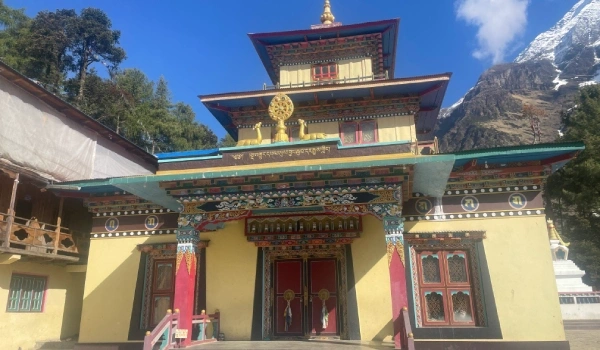
There are many temples you will witness once you come here. It is important for you to respect new culture and traditions here.
You can show the gratitude towards the temple and monasteries by :
-
Dressing modestly at religious sites
-
Greeting Namaste
-
Removing shoes while entering temples
Tips for first-time women/Solo:
Nepal is a safe space to trek whether you are a man or a woman. But still the full safety and security cannot be guaranteed. The atmosphere is generally safe in tourist areas . But it is best if you add guided security.
The most safe space for trekkers either beginners or first-time trekkers, is to book with a reliable package with a licensed / TAAN affiliated agency like Himalayan Spirit adventure.
We offer customized packages on your preference with rest days or acclimatisation days built in.
Conclusion
The trekking to high-altitude destinations in Nepal offers life-changing views and cultural immersion. But it doesn't come easy. Check out the best months, carry the best equipment , check the weather updates and move forward.
You can trek to Annapurna Region during autumn and spring. Likewise, there are avoidable seasons like winter and monsoon too. You have to choose your season very wisely .
Your logistics are handled very carefully. Take time on proper planning without rush and make the most memorable journey for the future endeavours.
Contact Himalayan Spirit Adventure Treks & Expeditions for booking your packages.